
Okay, quick confession: I’m picky about wallet UX. I use a bunch of browser extensions and mobile wallets, and some of them just… get in the way. Rabby Wallet stood out because it focused on the stuff that actually matters to people who use DeFi regularly — transaction clarity, permission control, and multi-chain convenience. That said, nothing’s perfect. This guide walks through what Rabby is, how to install it safely, where it shines, and where to be careful.
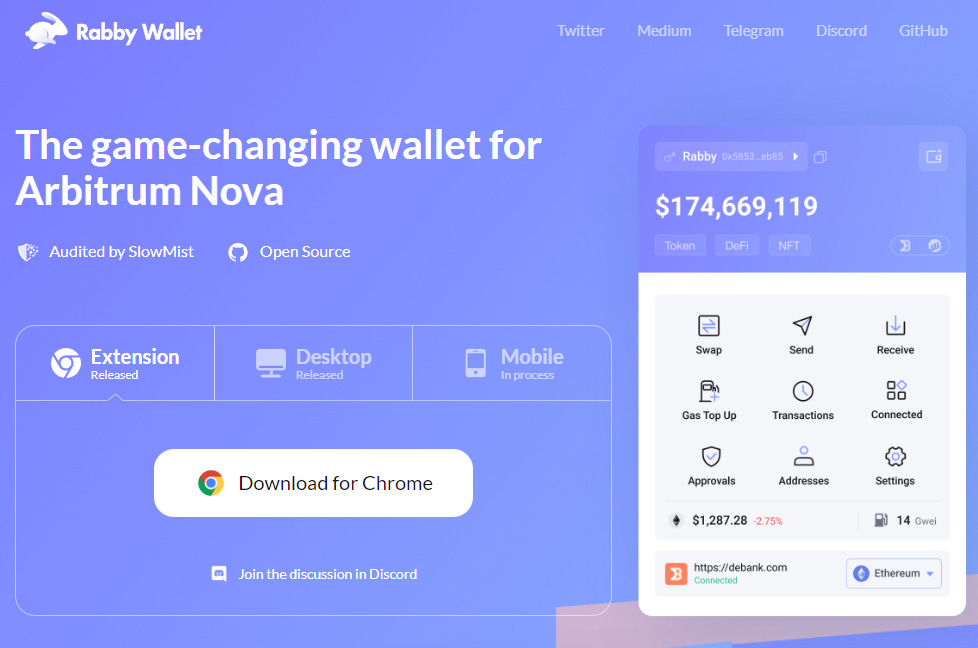
First, the short version. Rabby is a browser-extension wallet that supports EVM chains and aims to give clearer transaction details and better approval management than many alternatives. It’s built for people who move between DEXes, NFT sites, and L2s without wanting to second-guess every gas popup. If you want to get started right away, here’s the official place to get a rabby wallet download — make sure you grab the correct extension for your browser.
Why people pick Rabby (and what actually matters)
There’s a lot of wallets out there. So why Rabby? For me, three things matter in a browser wallet: transparency, control, and reliability. Rabby tries to address each:
- Transaction clarity — it shows token changes, gas breakdowns, and slippage warnings in a readable way.
- Approval management — easier to see and revoke token approvals (you’ll want that).
- Multi-chain convenience — quick switching between mainnets and L2s without chasing RPC configs.
I’m biased, but the approval UI is what sold me. Approvals get messy fast, and having a clear list you can manage without a separate site is a tiny quality-of-life win that saves real risk later.
How to install Rabby safely (step-by-step)
Security first. Browser wallets are a primary target for social-engineered scams. Follow these steps:
- Go to the official source linked above and confirm the extension matches the browser store listing (publisher name, number of users, official website link).
- Install the extension, then pin it to your toolbar so you don’t chase popups.
- Create a new wallet or import using your seed phrase. If you import, double-check the phrase source and never paste it into sites.
- Set a strong password for the extension and enable any available extra protections (e.g., transaction confirmation settings).
- Optionally, connect a hardware wallet (Ledger/Trezor) for large balances or long-term holdings.
One more tip: after install, test with a very small amount on a familiar DEX or a tiny transfer between your accounts. It’s a litmus test for expected behavior without risk.
Daily use tips: approvals, gas, and multi-account workflows
Rabby’s approval manager is worth the attention. Most people approve unlimited allowances and forget them. That can be risky. Periodically audit allowances and revoke ones you don’t need. Rabby makes revocation straightforward.
Gas estimates can vary between networks. Rabby’s interface helps, but you’ll still want to throttle gas when you’re not in a hurry and bump it only when necessary. For high-priority trades, double-check the nonce and ensure you’re not accidentally replacing another pending tx.
Multi-account setup matters if you separate funds by function: one account for active trading, another for long-term holdings, and maybe a hot account for small interactions. Rabby lets you switch quickly, and that reduces accidental approvals from the wrong address.
Connecting hardware wallets
If you care about security (and you should), use a hardware wallet for large funds. Rabby supports hardware integration — connect via the extension and always confirm transactions on the device screen. My instinct says: treat the hardware device like your last line of defense. If something asks you to confirm off-device, it’s a red flag.
Common pitfalls and how to avoid them
Some recurring headaches users report:
- Fake extensions: always verify publisher and download source.
- Phishing pages that ask to sign strange messages: think twice before signing anything outside a known flow.
- Cross-chain confusion: sending tokens to the wrong chain can be irreversible unless you know how to recover them — so double-check destination chain and address formats.
Oh — and gas refunds. Sometimes you see a “gas required” popup, but the dApp will add extra overhead (contract interactions can be messy). Expect variance. It’s not bug; it’s the nature of interacting with contracts.
Rabby’s tradeoffs (what bugs me)
I’m not 100% sold on everything. There are times when the extension’s UI tries to be clever and obscures advanced settings. Also, browser extensions inherently expand your attack surface compared to a cold wallet. I’m fine using Rabby for active trading, but cold storage needs a different approach.
Performance-wise, some users report occasional delays when switching networks or when dApps are congested. It’s not a dealbreaker, but if instant speed matters for a particular strategy, be cautious.
One-liners for quick decisions
- New to DeFi: Rabby is a friendly option to learn with, but start small.
- Active trader: Rabby’s approval and transaction UX is helpful day-to-day.
- Long-term hodler: consider hardware/cold storage for the bulk of funds.
FAQ
Is Rabby open source?
Yes, the core project has open-source components; you can review repositories for transparency. That said, always confirm you’re using the official extension build and not a forked impostor.
Can I use Rabby with a Ledger?
Yes. Rabby supports connecting hardware wallets like Ledger. Always confirm transactions on the device screen and keep firmware up to date.
How do I recover if I lose access to my extension?
Recovery is via your seed phrase. If you lose the phrase and your machine, recovery is unlikely. Make multiple, secure backups and store them offline—this cannot be stressed enough.
Where can I download Rabby safely?
Use the official download link: rabby wallet download. Verify the browser store listing and publisher before installing.
